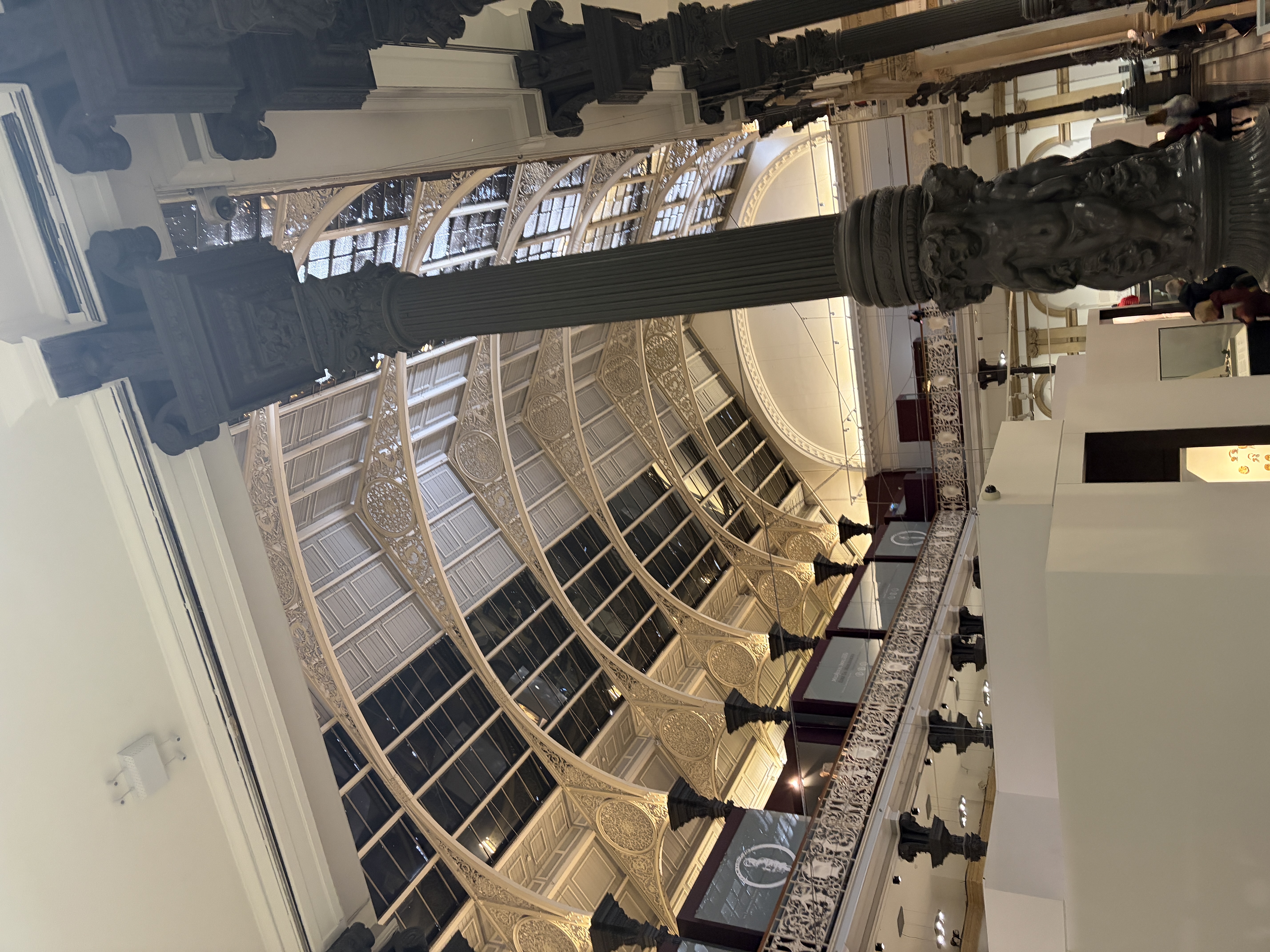
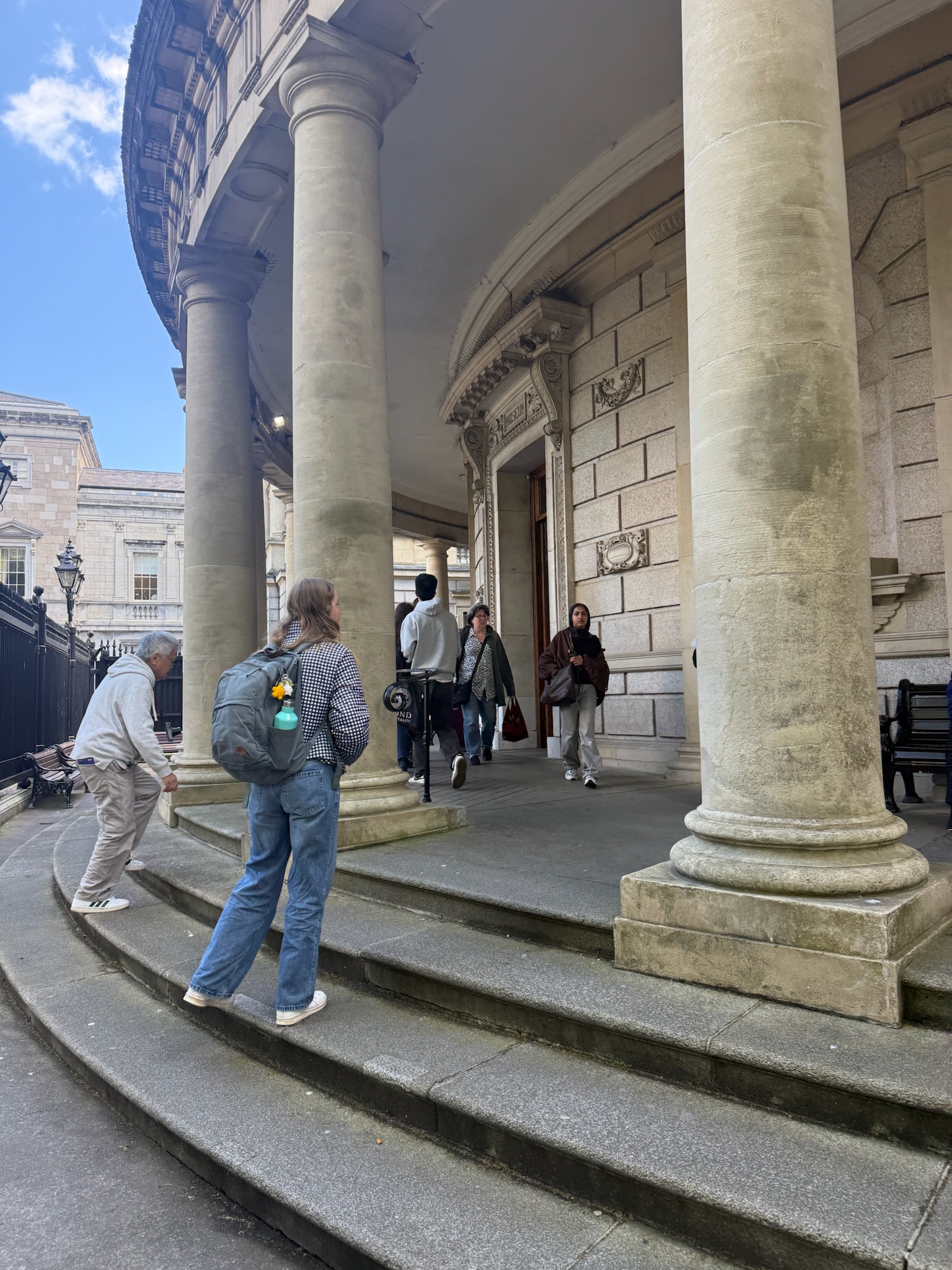
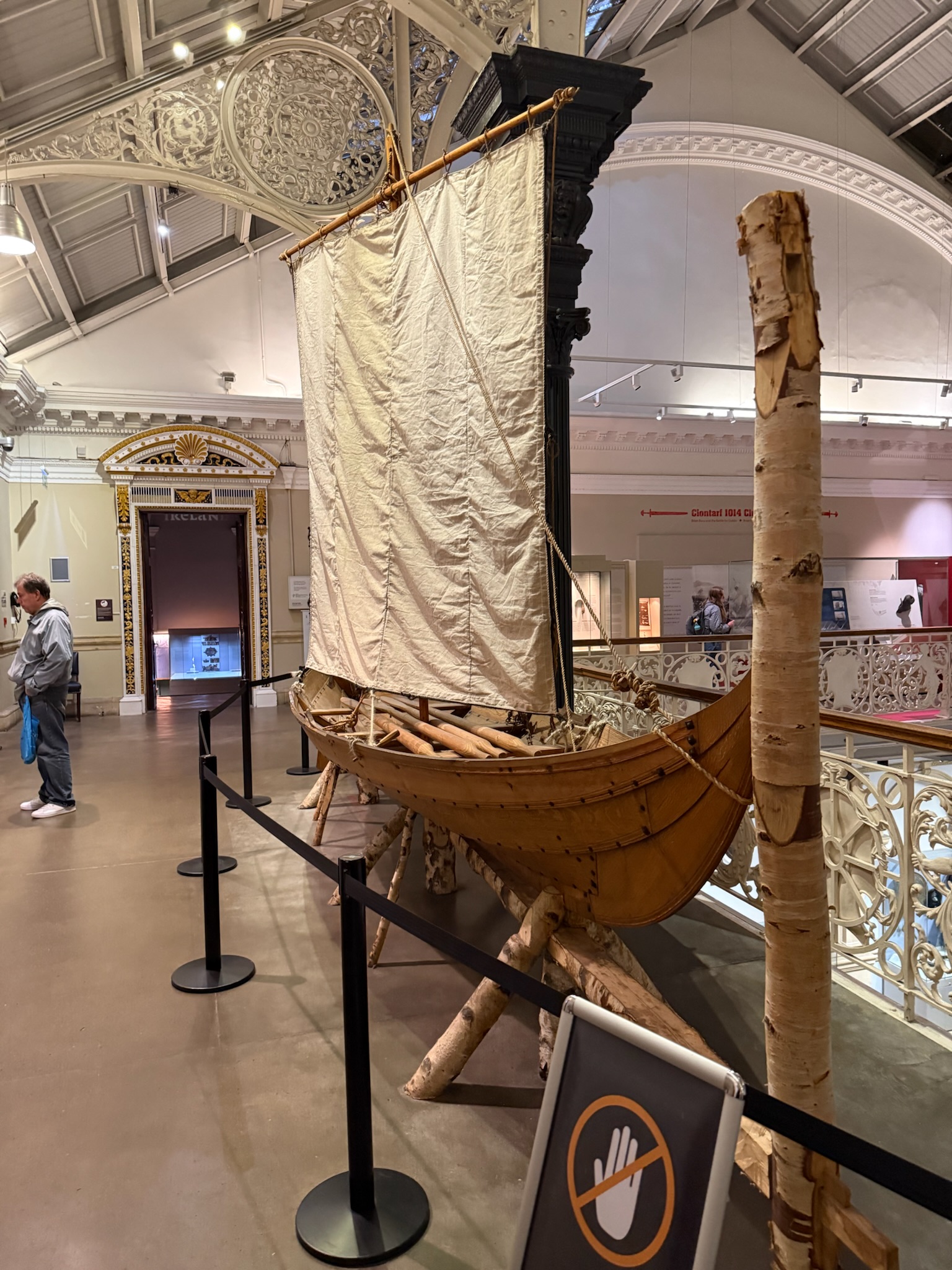
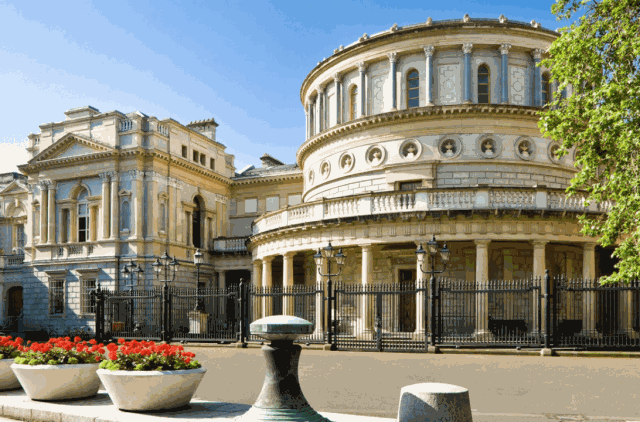
This museum explores the history of Irish archaeology, focusing on Viking Culture and ancient records, in the heart of Dublin City.
Museum Accessibility Checklist:
- Exhibits and Objects: Small objects are mounted at or below 40 inches, ensuring they are at a comfortable seated eye level. Display cases are shallow enough to allow for clear viewing from above. While objects are visible, some description cards are placed flat. This makes them difficult to read for anyone with a lower eye level; tilting these cards would improve readability for all visitors.
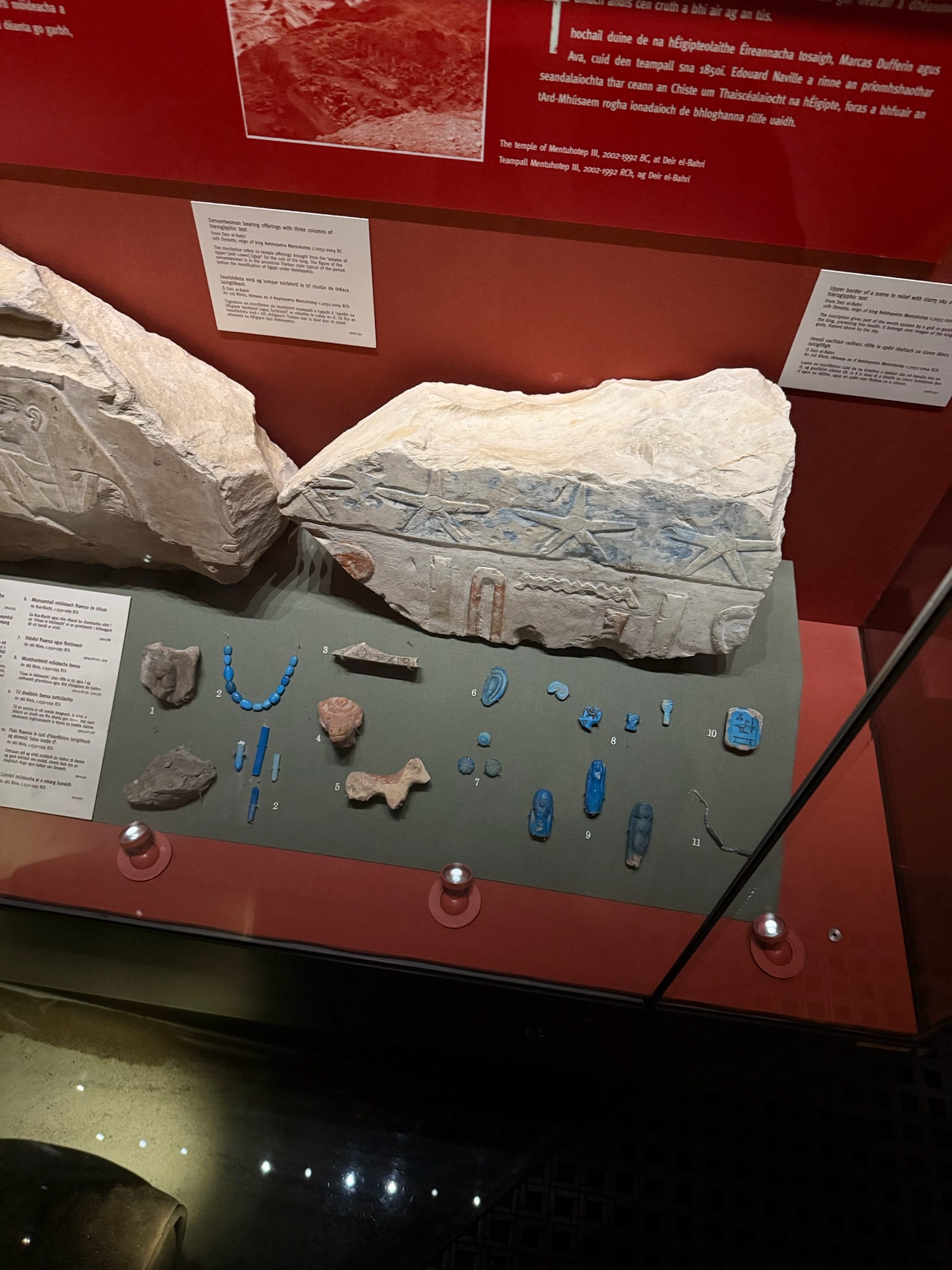
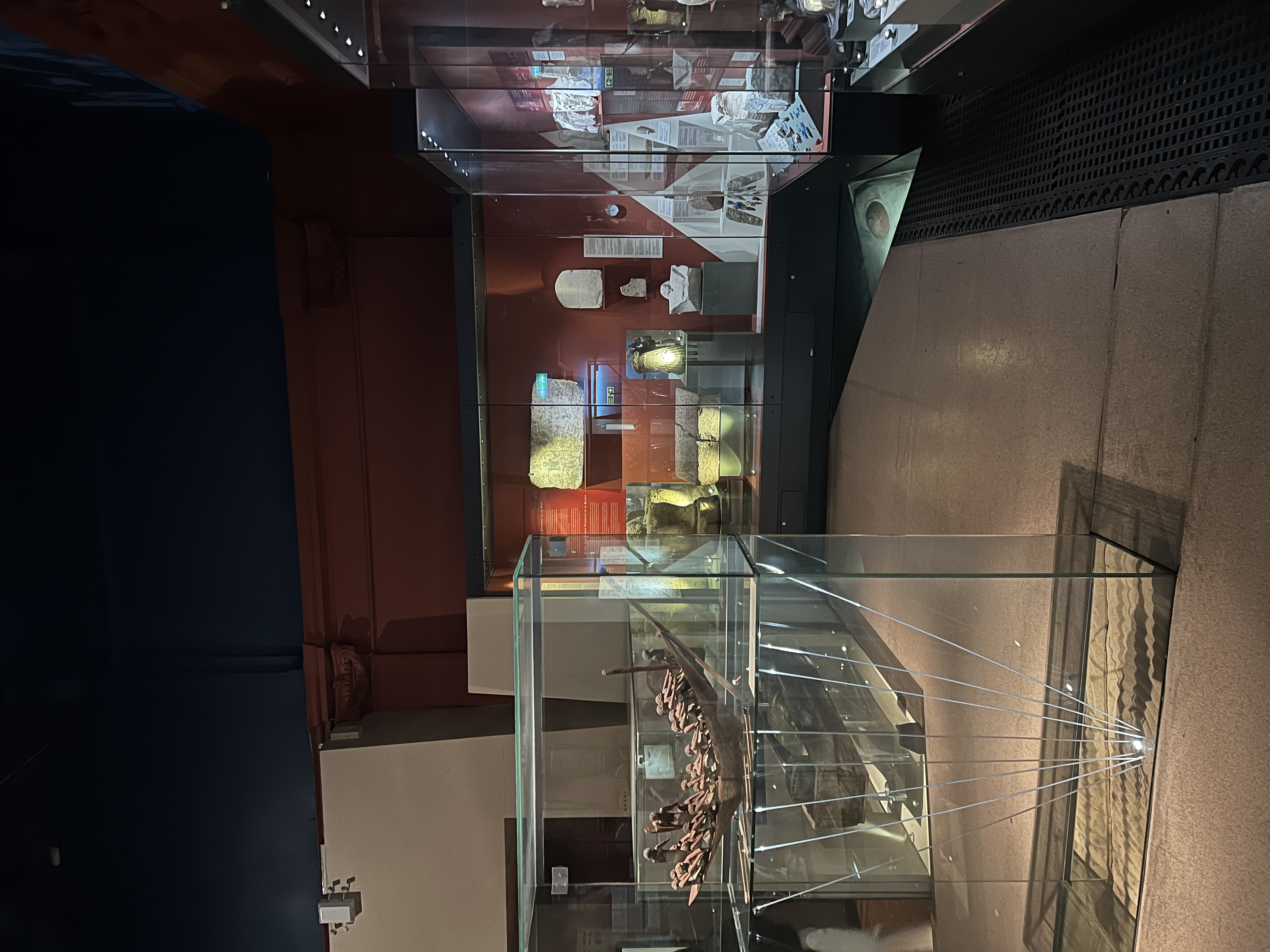
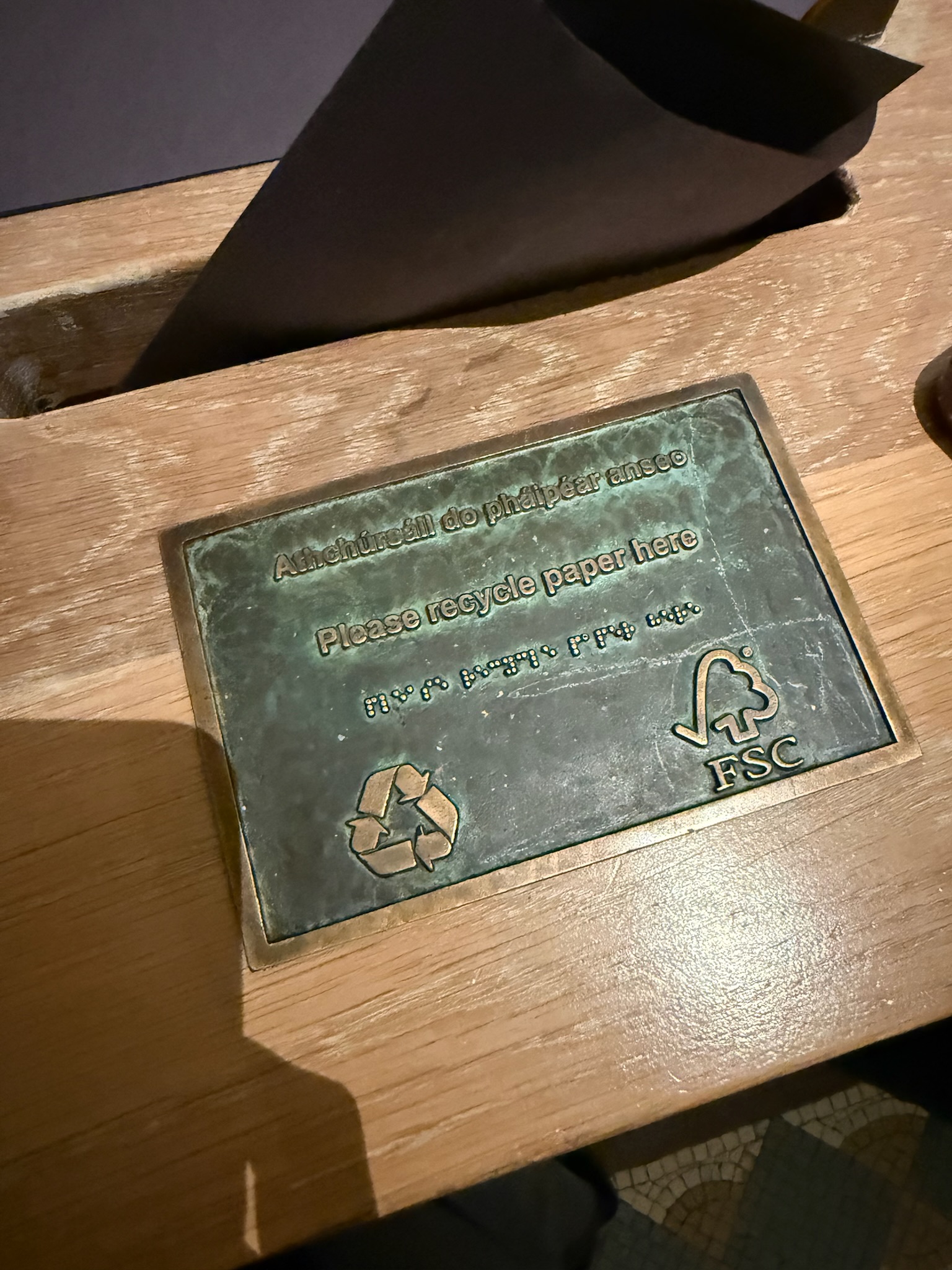
- Labels and text: Overall, the contrast and fonts of all labels were well done and easy to read. However, there were issues with sizes at some points. The broad descriptions and historical stories were easy to decipher; it became extremely difficult with smaller image labels. There were also no options for visually impaired users to have an audio or braille option. The Egypt room text was nearly impossible to read as it was very dimly lit.
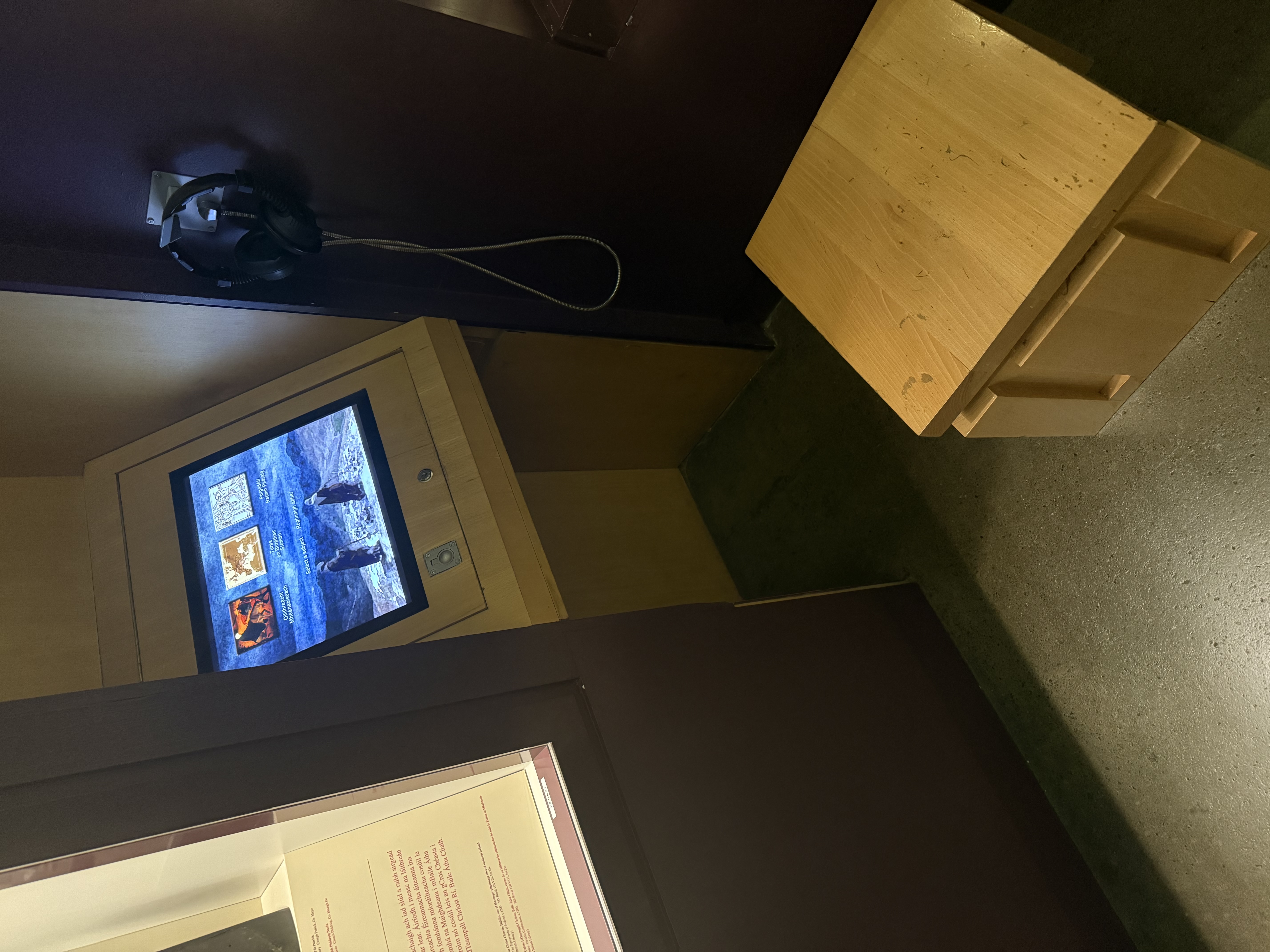
- Audio visuals and interactive: Accessibility features in the museum were inconsistent, with some exhibits offering audio guides while others lacked accessibility indicators. Video displays also did not include captions, and interactive headphones appeared intended more for general use than accessibility support.
- Pathway and Navigation: Accessible floor maps are widely available via pamphlets and wall-mounted stands. Additionally, multiple exits are provided for safety and flow. The route is not entirely step-free. Several specialized areas, specifically the Egyptian room contain awkward stairs or partial floor levels that lack ramps.
- Seating and Furniture: Each museum room included at least one chair, along with several low benches for seating. While the seating was accessible and placed along walls without obstructing pathways or exhibit views, the chairs and benches were relatively small and did not include armrests.
- Safety and Content: Overall, the safety features of the museum for those with disabilities seemed accessible. There were clearly marked exits, and the fire alarms appeared to have both light and sound.
What Students Learned:
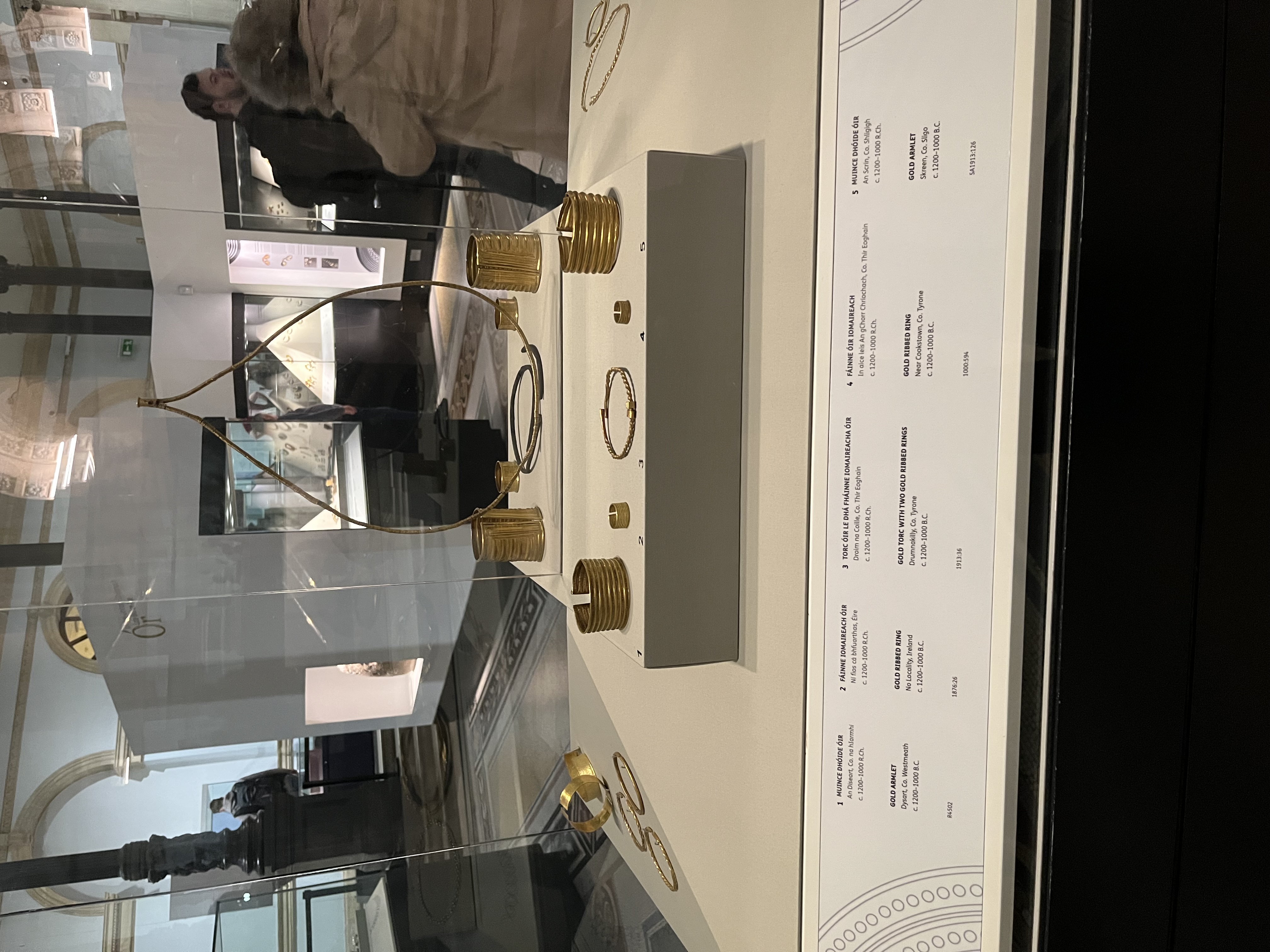
Many students learned a lot about the history of Metalwork in Ireland
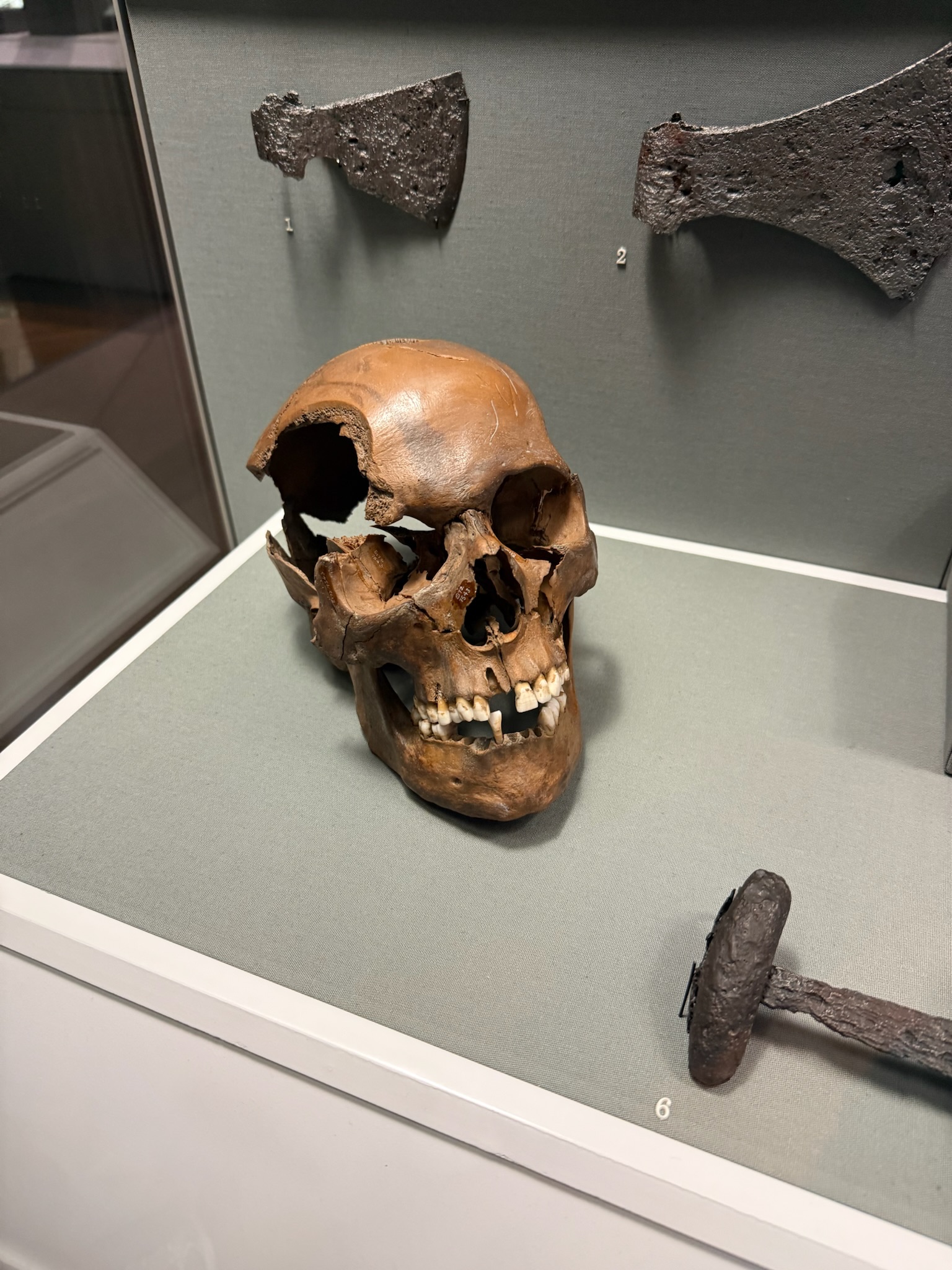
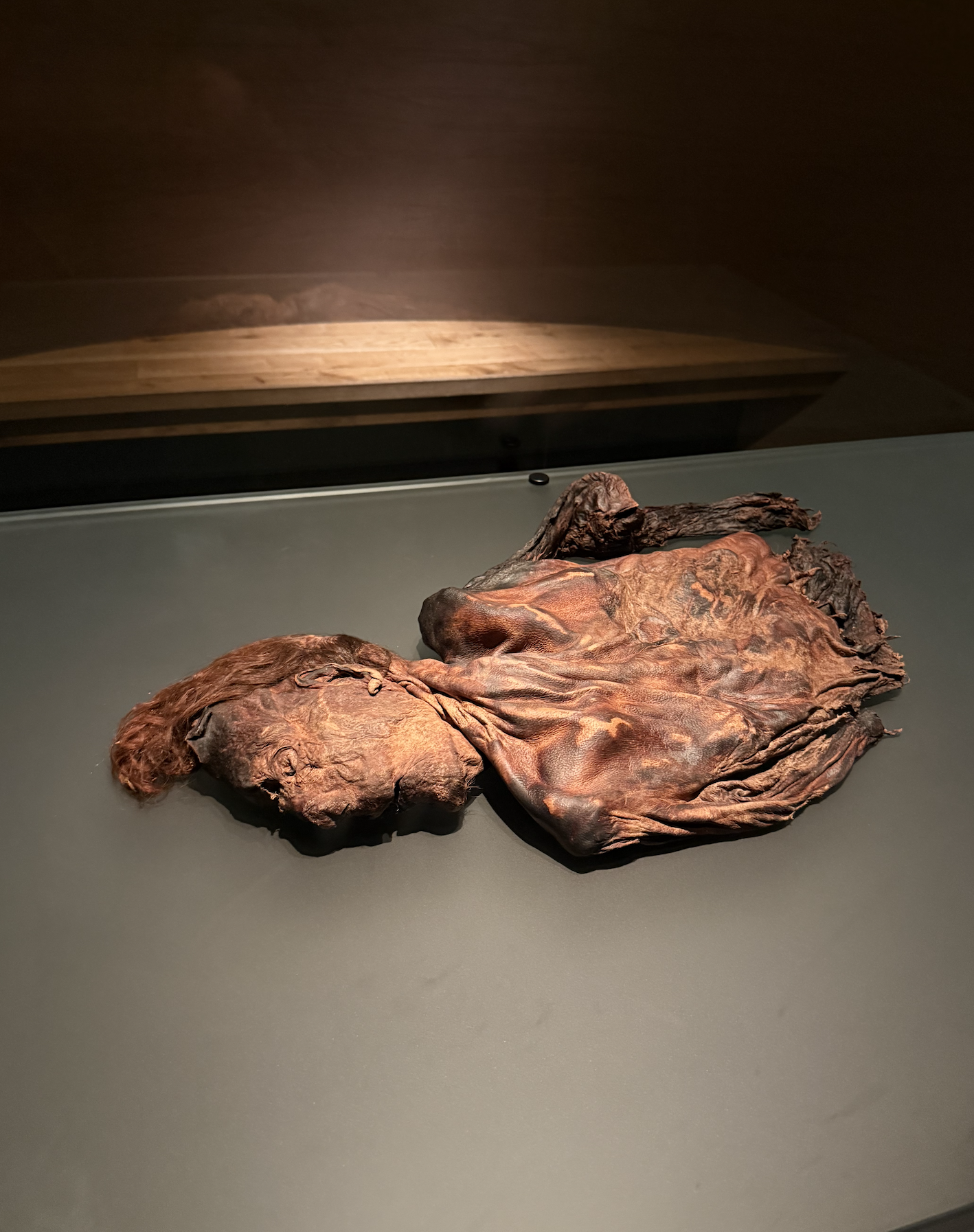
Artifacts have been discovered due to “Bog Preservation”. Bogs can preserve people, clothing, wood, and other materials
Bones were used decoratively or as tools
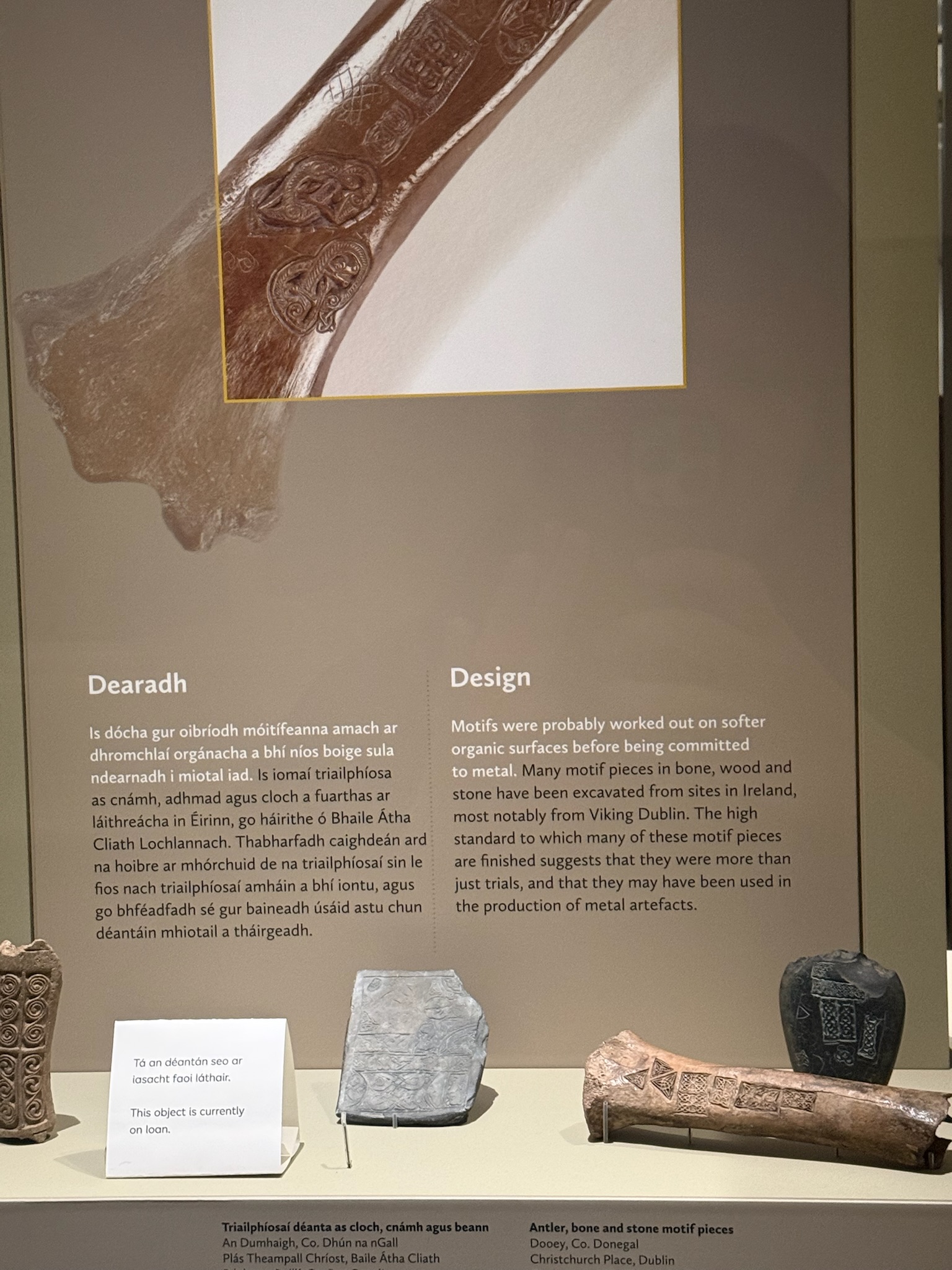
Stand-out Exhibits:
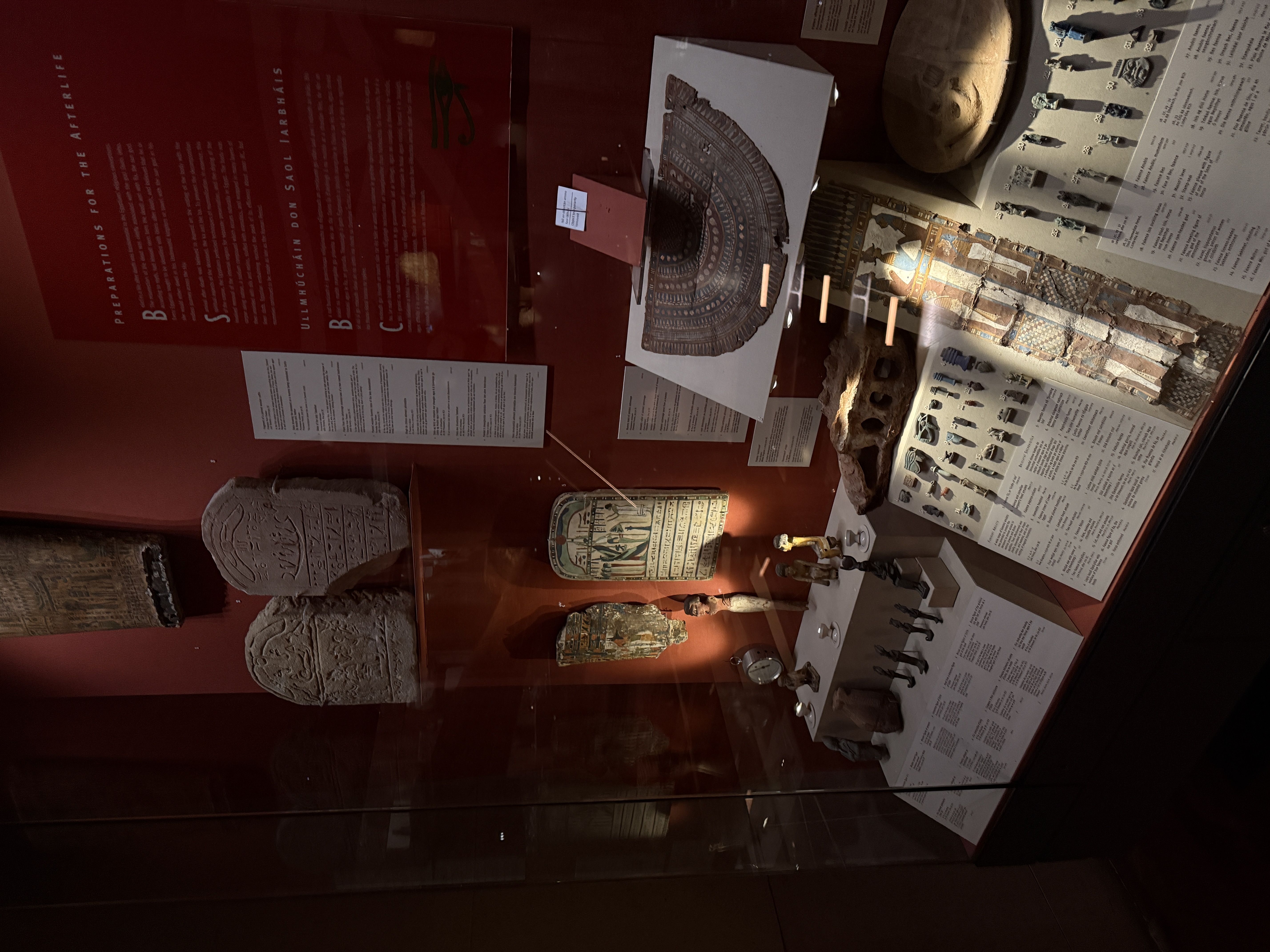
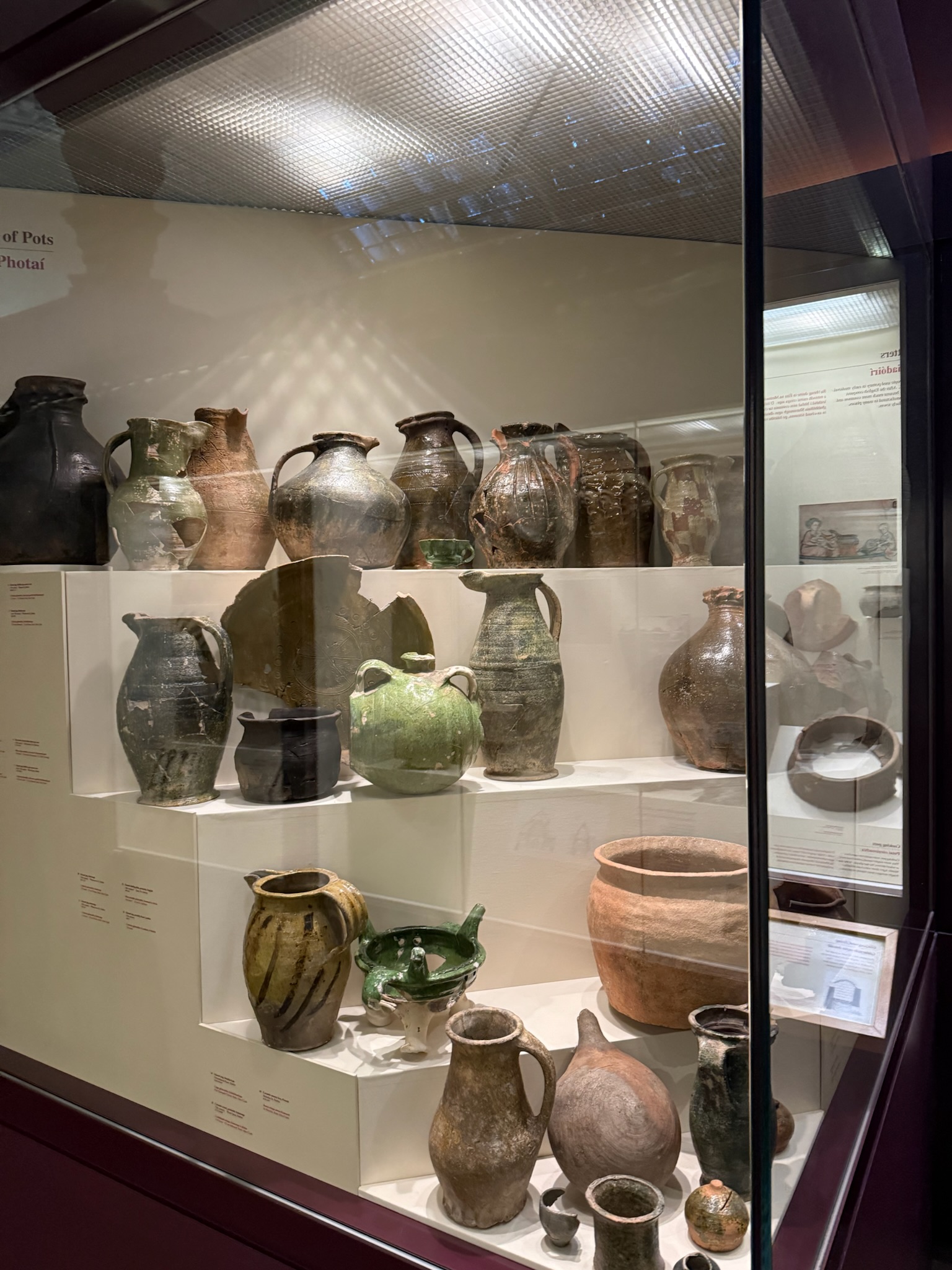
Accessibility Features:
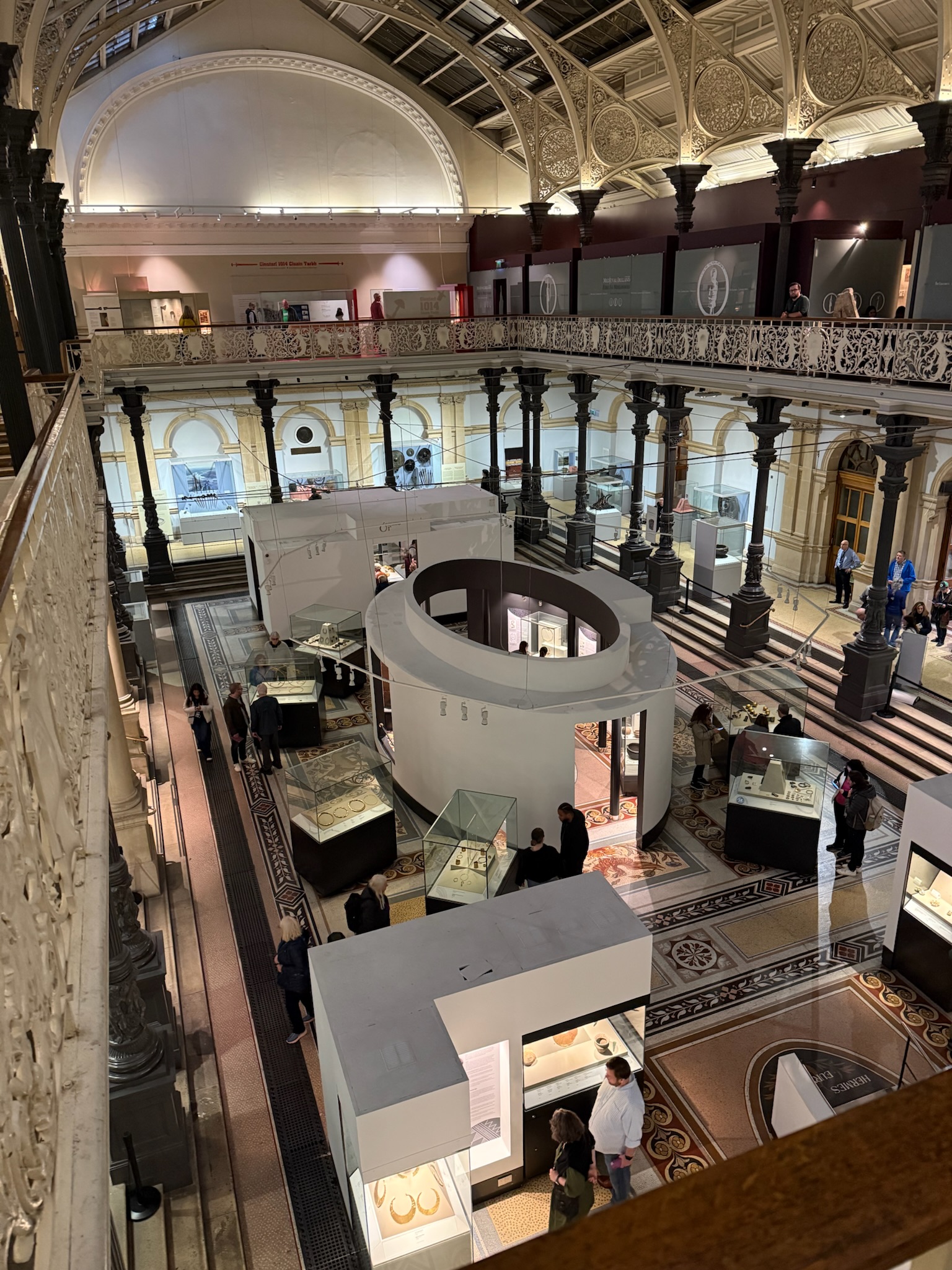
There is a ramp to get down the three steps to the sunken area in the middle of the ground floor (exhibit 2).
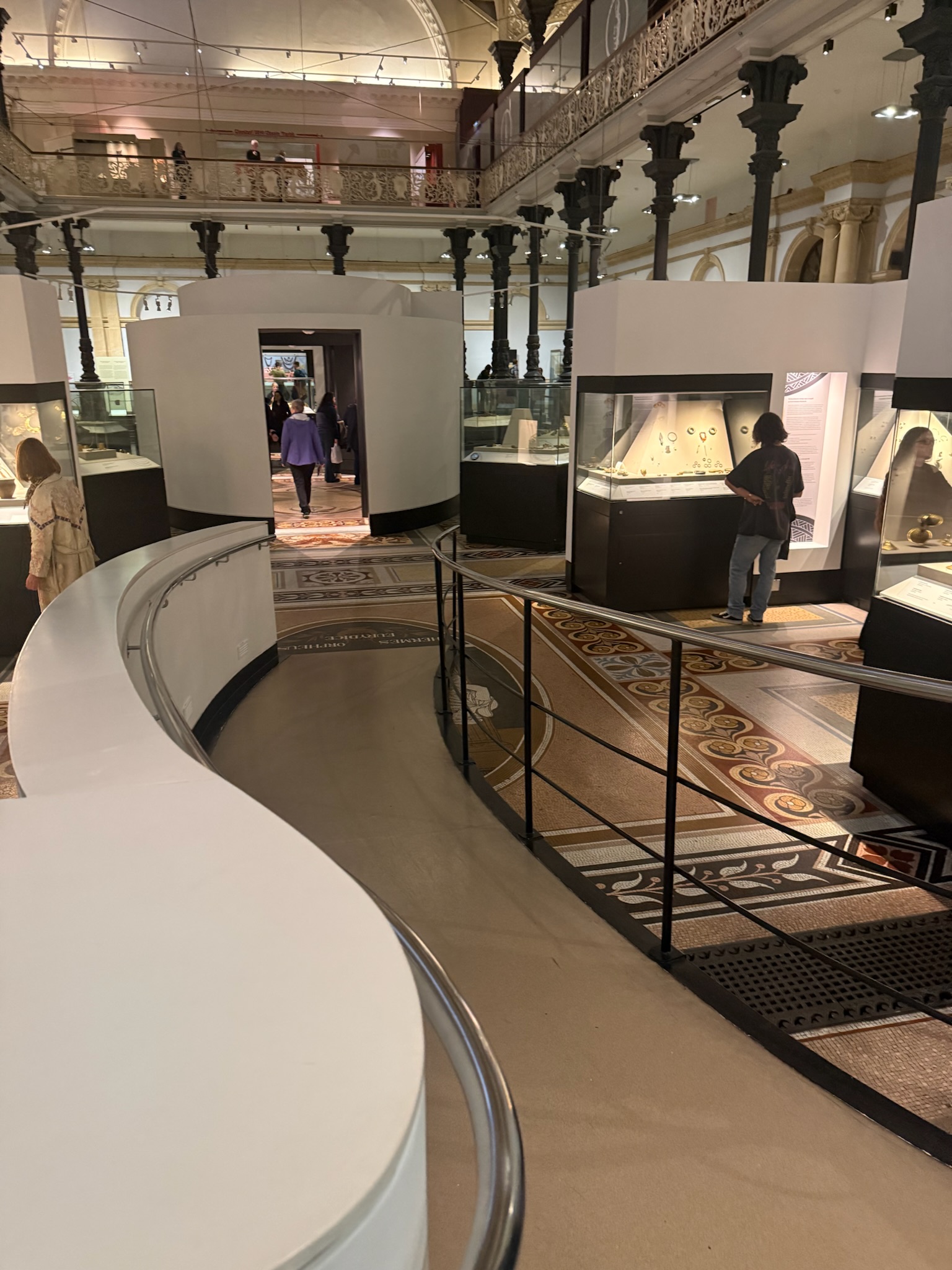
Lots of seating areas on each floor (single, cushioned chairs with backings; wooden benches against walls with no backings, wooden benches with backings; hard wooden chairs near interactive activities involving headsets/audio).
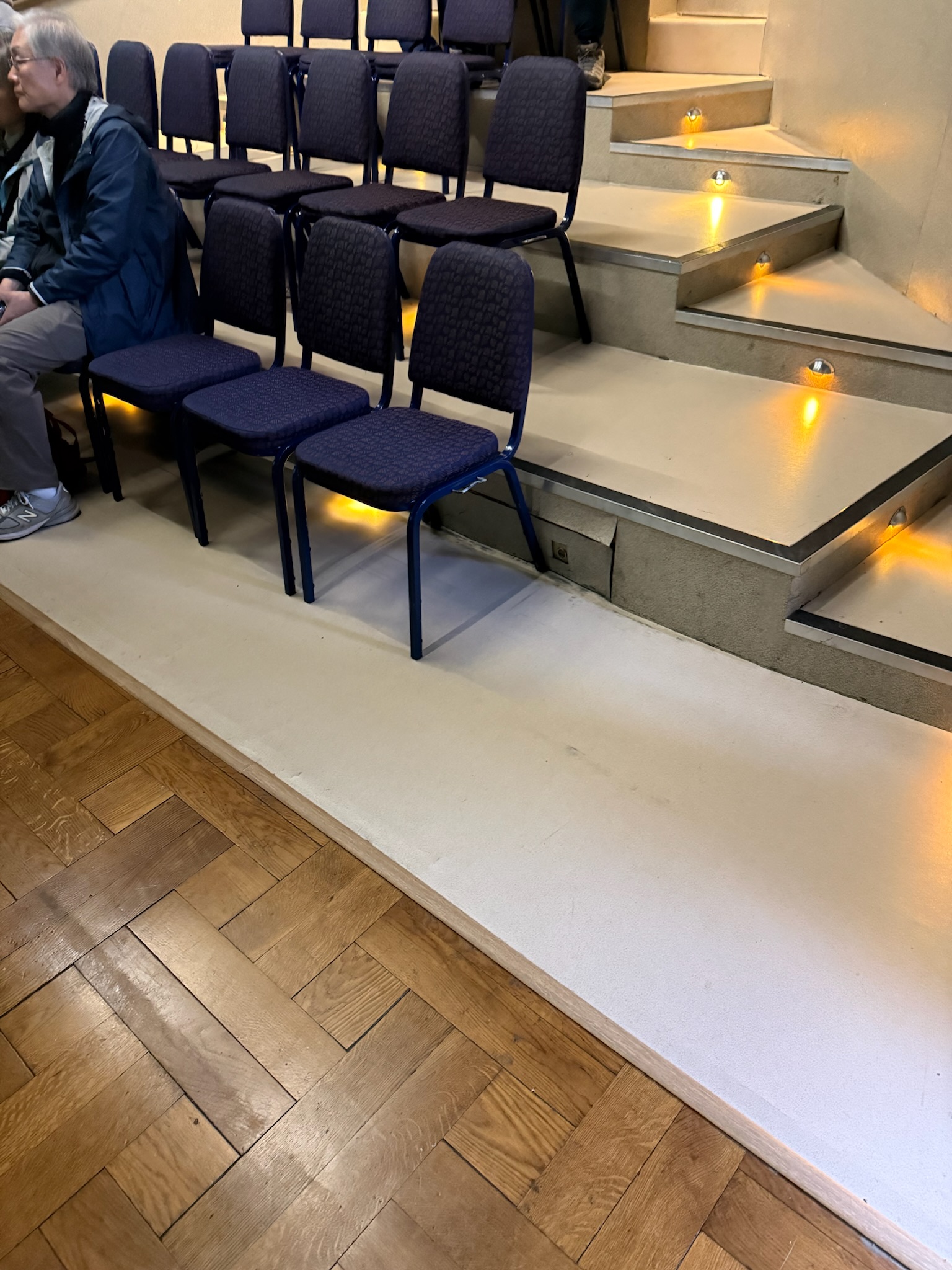
Non-Accessible Features:
No lift/elevator to get to the second floor of the museum. Some of the rooms were quite small or had stairs in them, so while someone in a wheelchair may be able to navigate the floor they would probably not be able to see every object up close.
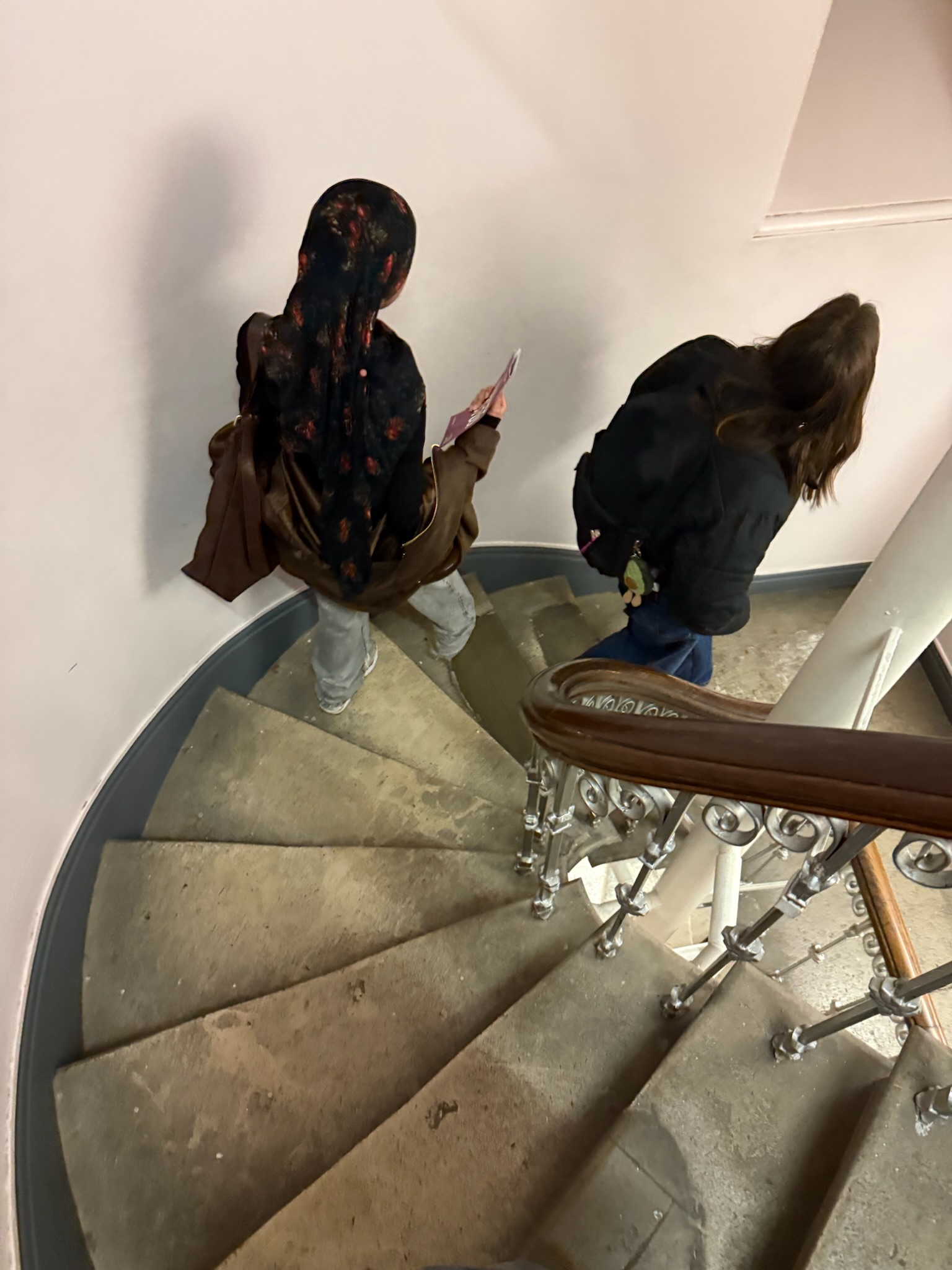
The Egyptian room is completely inaccessible to wheelchair user -No braille at many of the places -no seats -very dark rooms
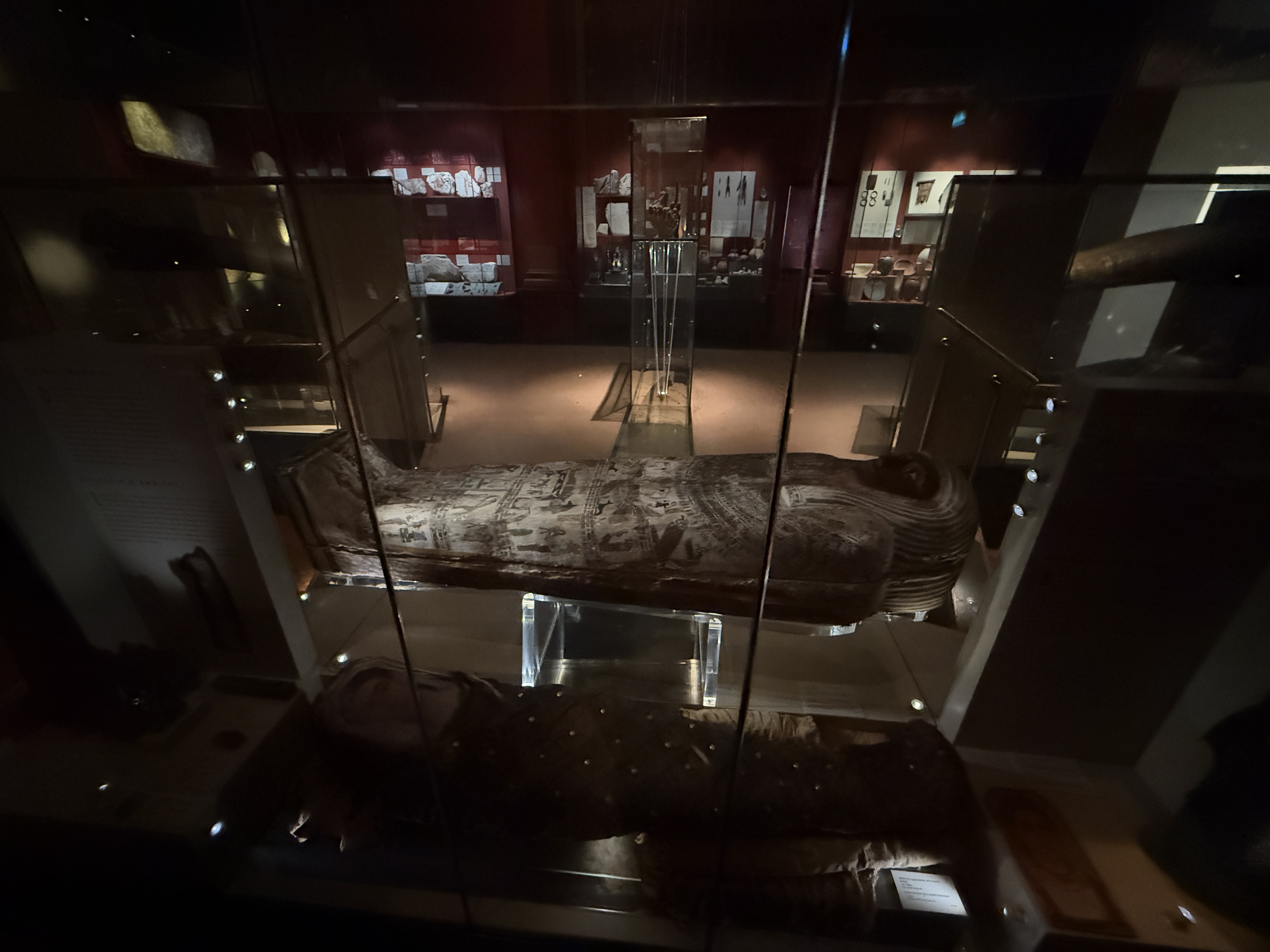
Photo Gallery